



Price: $29.99 - $17.49
(as of Jul 28, 2025 02:52:25 UTC – Details)
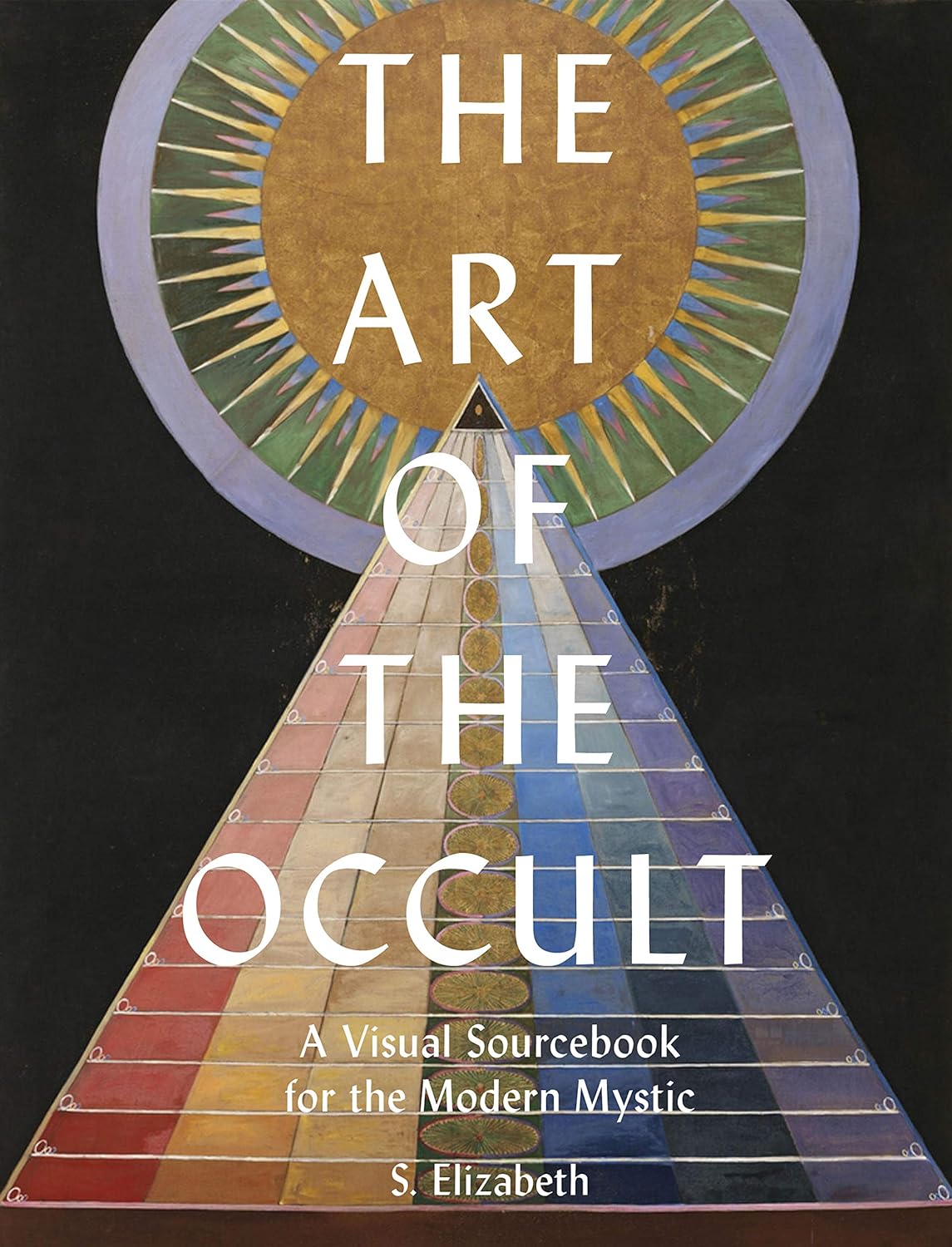
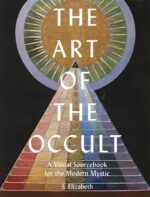
A visual feast of eclectic artwork informed and inspired by spiritual beliefs, magical techniques, mythology and otherworldly experiences.
Mystical beliefs and practices have existed for millennia, but why do we still chase the esoteric? From the beginning of human creativity itself, image-makers have been drawn to these unknown spheres and have created curious artworks that transcend time and place – but what is it that attracts artists to these magical realms?
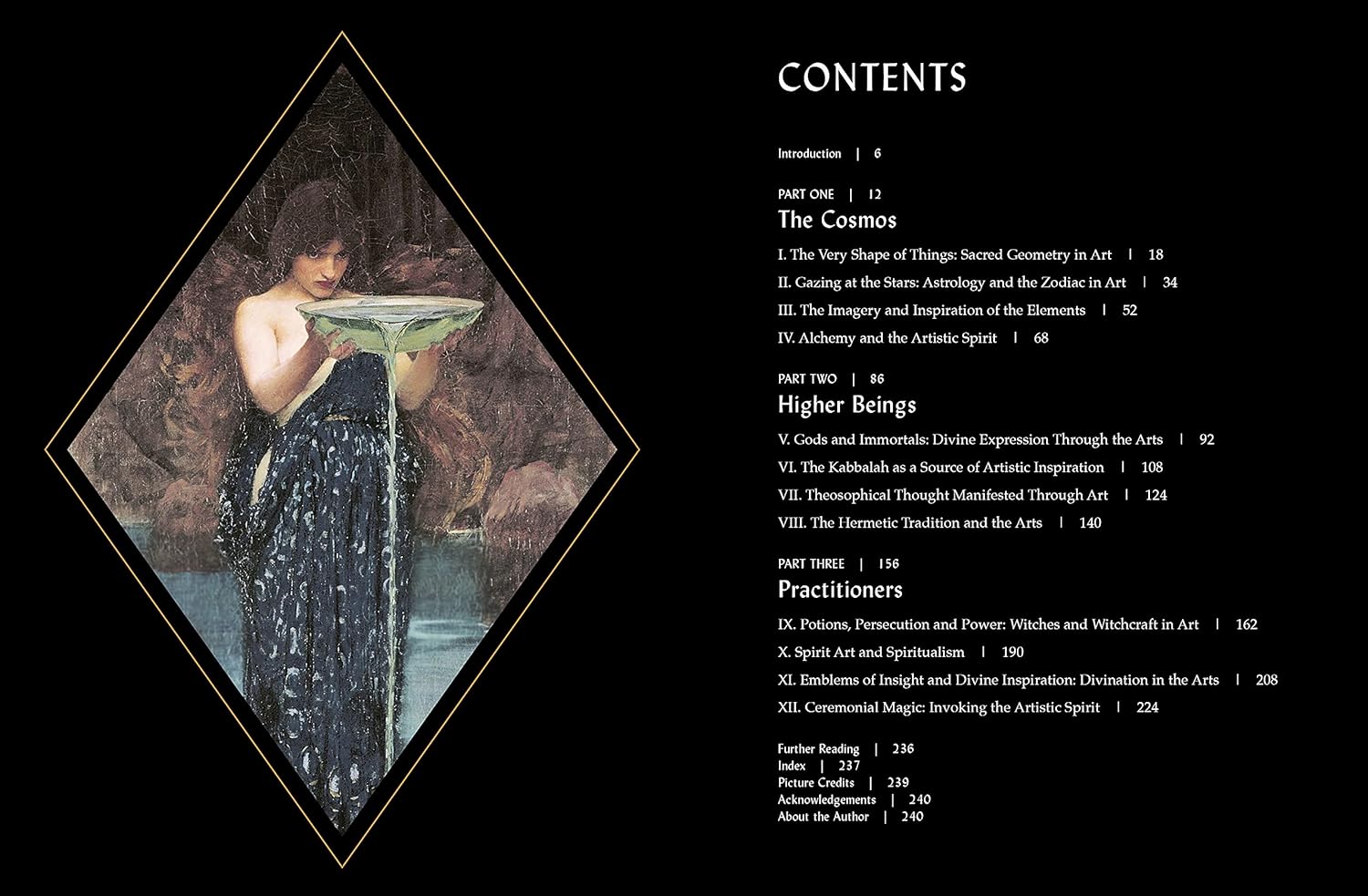
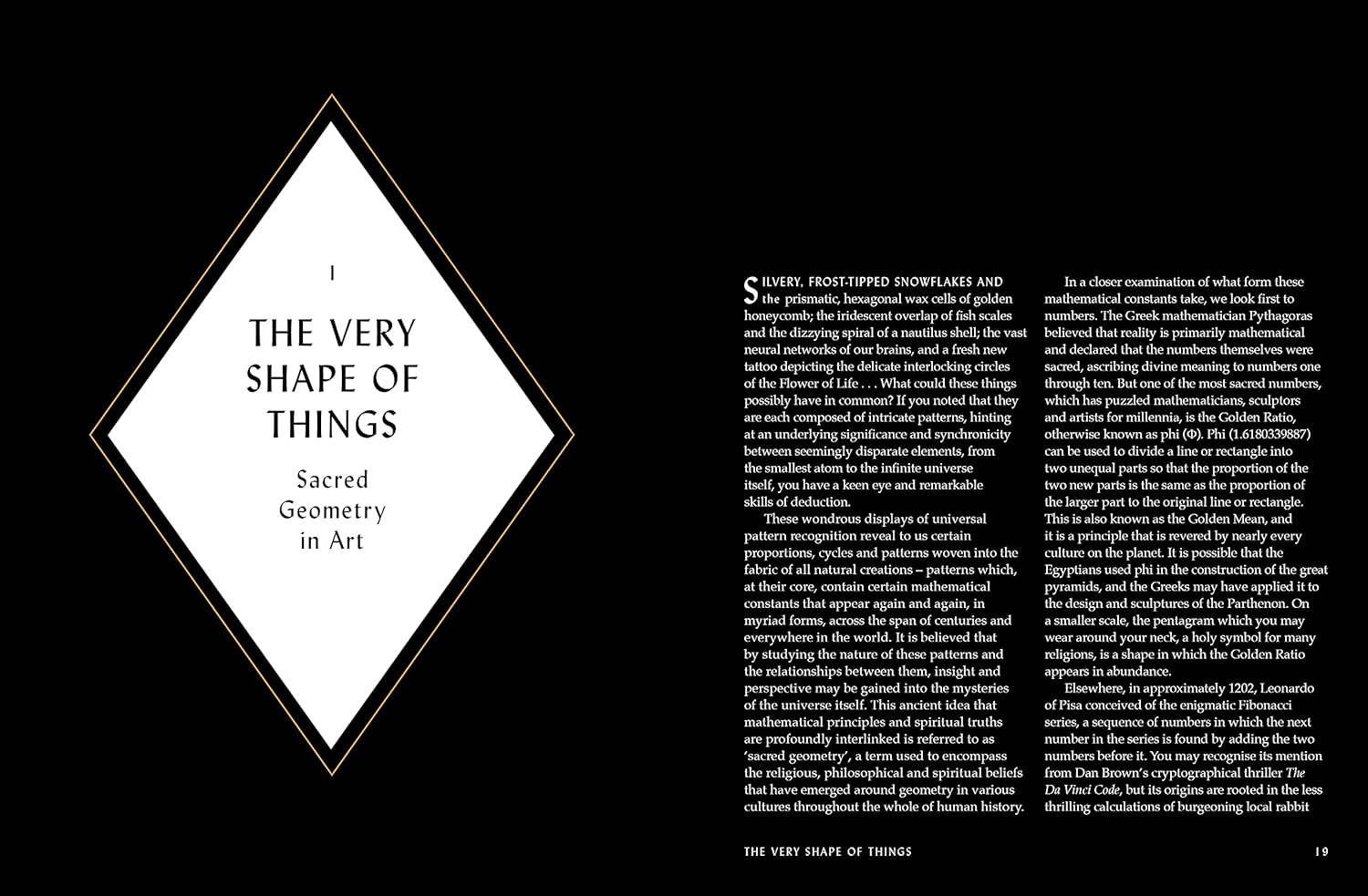
From theosophy and kabbalah, to the zodiac and alchemy; spiritualism and ceremonial magic, to the elements and sacred geometry – The Art of the Occult introduces major occult themes and showcases the artists who have been influenced and led by them. Discover the symbolic and mythical images of the Pre-Raphaelites; the automatic drawing of Hilma af Klint and Madge Gill; Leonora Carrington’s surrealist interpretation of myth, alchemy and kabbalah; and much more.
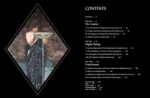
Featuring prominent, marginalised and little-known artists, The Art of the Occult crosses mystical spheres in a bid to inspire and delight. Divided into thematic chapters (The Cosmos, Higher Beings, Practitioners), the book acts as an entertaining introduction to the art of mysticism – with essays examining each practice and over 175 artworks to discover.
The art of the occult has always existed in the margins but inspired the masses, and this book will spark curiosity in all fans of magic, mysticism and the mysterious.
From the Publisher
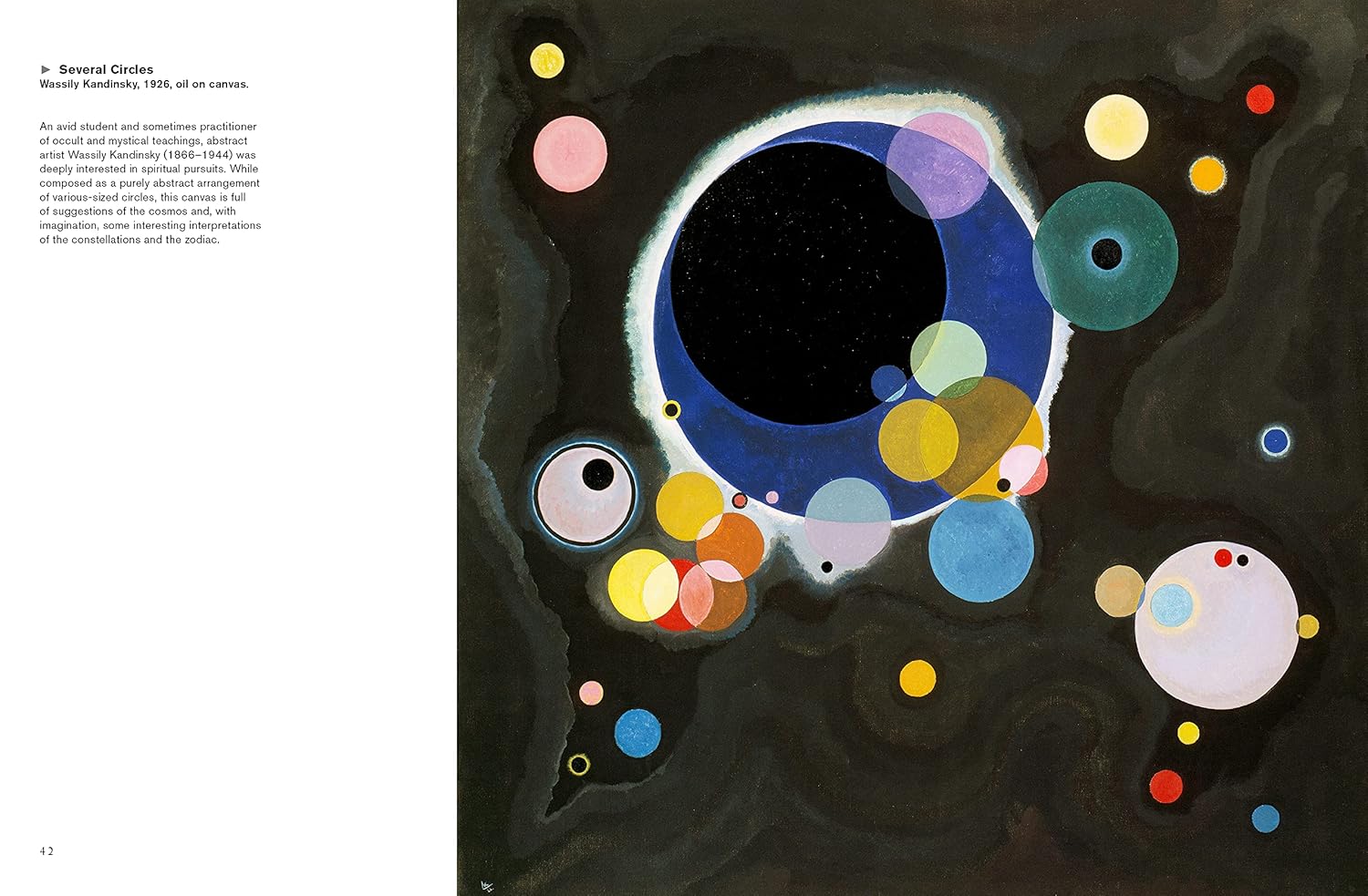
THE COSMOS

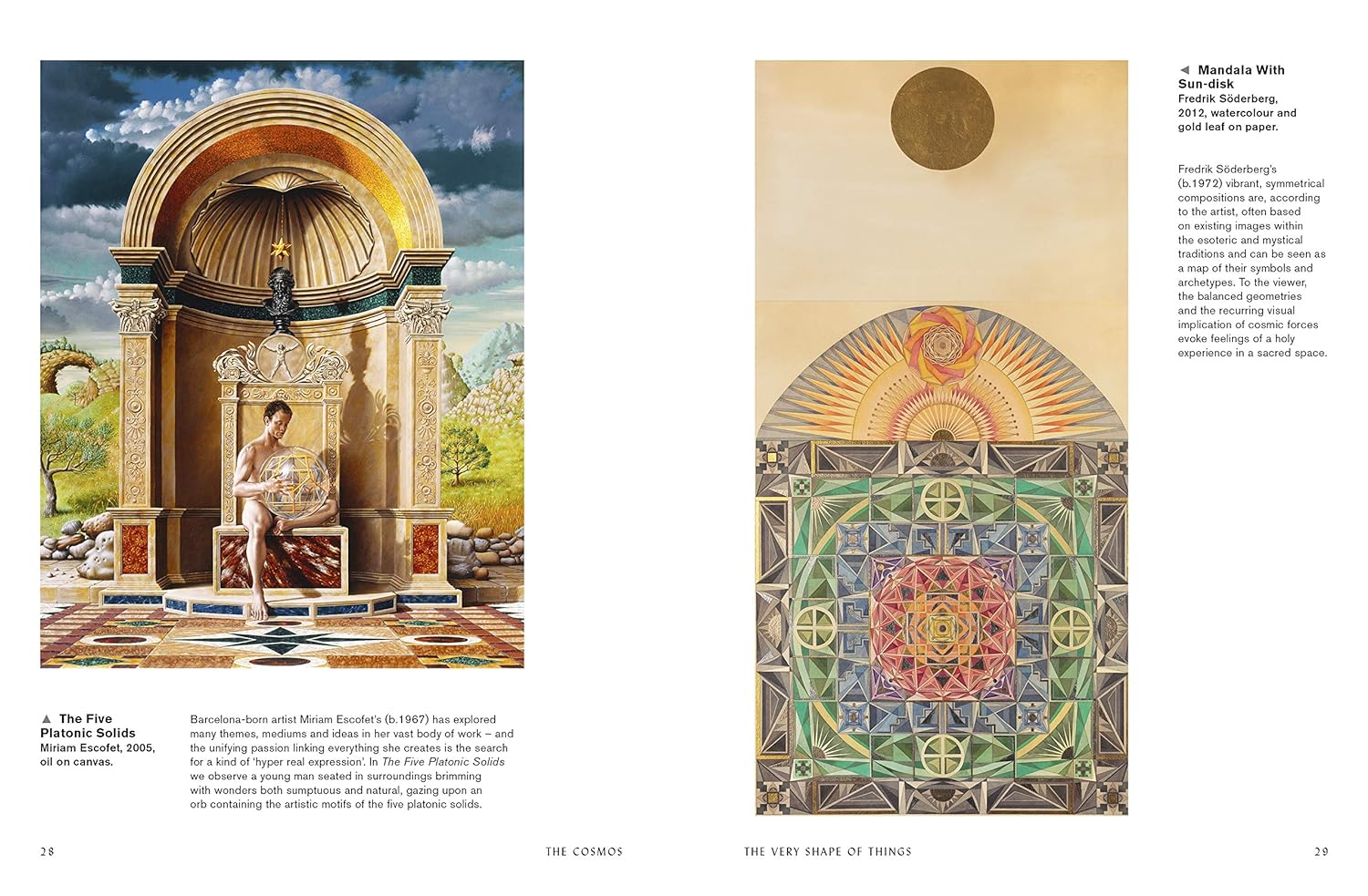
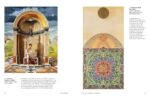
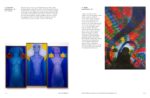
Under The Rose Susan Jamison, 2017, egg tempera on panel.
Susan Jamison’s feminine iconography spans several media – including painting, drawing, textile based sculpture and installation – all steeped in ritualistic and mythological associations. Her Rocks and Threads series pairs classical shapes and symbols associated with sacred geometry, alongside natural elements, intertwining both the ephemeral and the eternal.

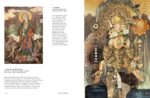
The Astrologer Damian Chavez, undated, oil on linen.
Damian Chavez (b.1976) is an artist and instructor from Los Angeles who studied in Florence, Prague and Paris before he attended the School of the Art Institute of Chicago and the ArtCenter College of Design, CA. His signature style consists of allegorical portraits incorporating a strong emphasis on ornament and richly intricate background textures.

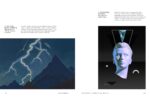
The Chemical Wedding Robert Ellaby, undated.
British Surrealist artist, Robert Ellaby (b.1964), is much influenced by kabbalah, alchemy and other esoteric systems of ideas. He has been a student of the Western Mystery Tradition for over thirty years. His passion for kabbalistic and alchemical concepts are at the heart of his studies, informing and inspiring such paintings as The Chemical Wedding.
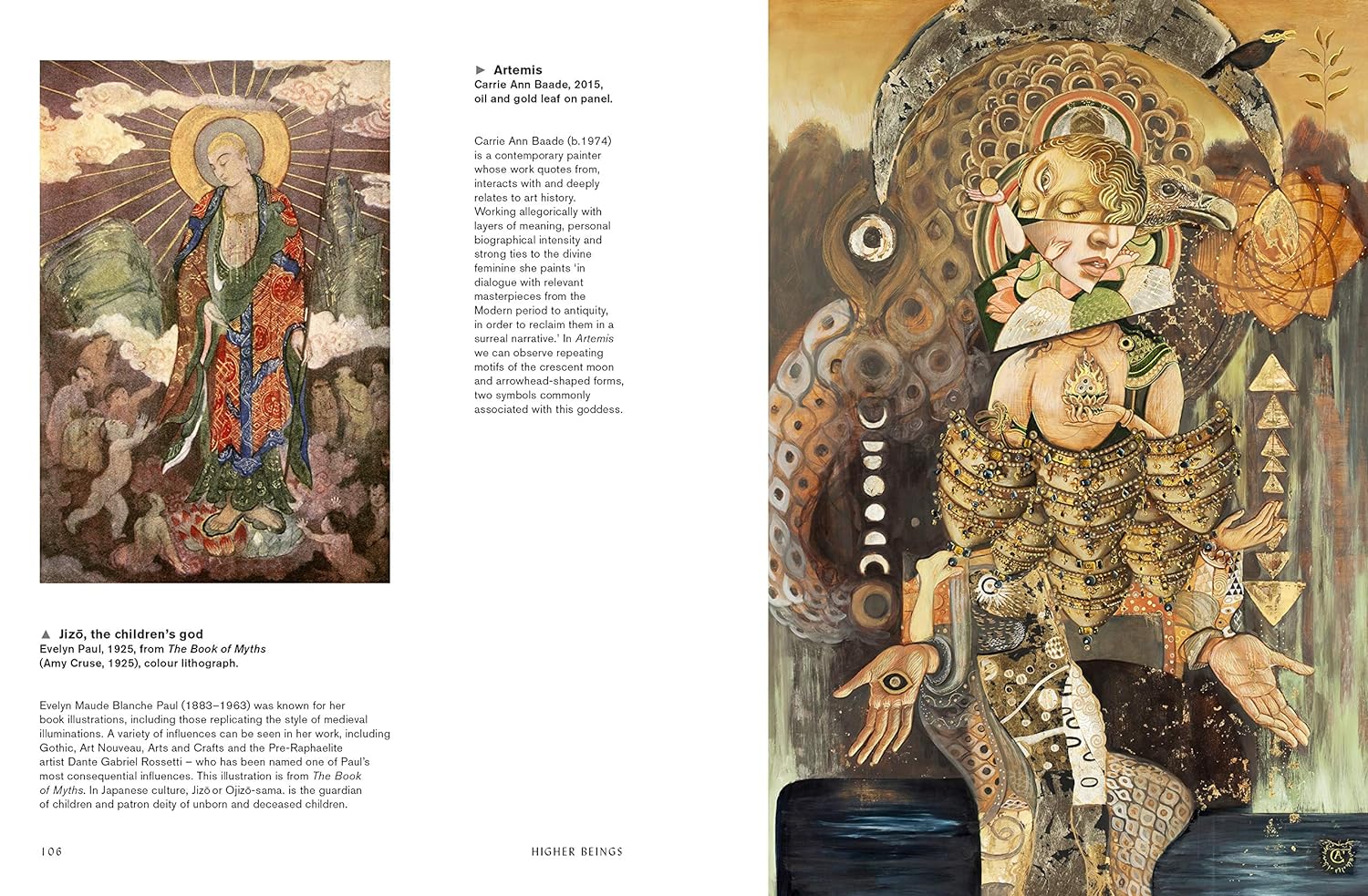
HIGHER BEINGS
MANY THOUSANDS OF YEARS OF religious iconography and museums spanning the globe full of human art and artifacts glorifying the gods, would imply that we are eternally awestruck, terrified and, well, maybe just a bit concerned with our relationship to a higher power.
Looking to the past, we can see countless depictions of how ancient cultures imagined their gods and goddesses in different ways, reflecting their own needs and environments, hopes and threats, beliefs and traditions at various points in the timeline of human history. As these works evolved and became more sophisticated in their execution, we can follow the growth and change in artists’ perceptions and understandings of the holy in their sublime portrayals of gods and goddesses – from their superhuman engagement in the heroic world of epic, to their complex religious function in culture and society, as well as their transformation from divine corporeality into metaphors in aesthetic and philosophical thought painted on canvas, illustrated in manuscripts or carved in stone.
As we study these classic works in an effort to examine the relationship of the gods to human perception and imagination, we can also take a moment to observe how these religious and philosophical questions gave rise to several occult organisations and movements.
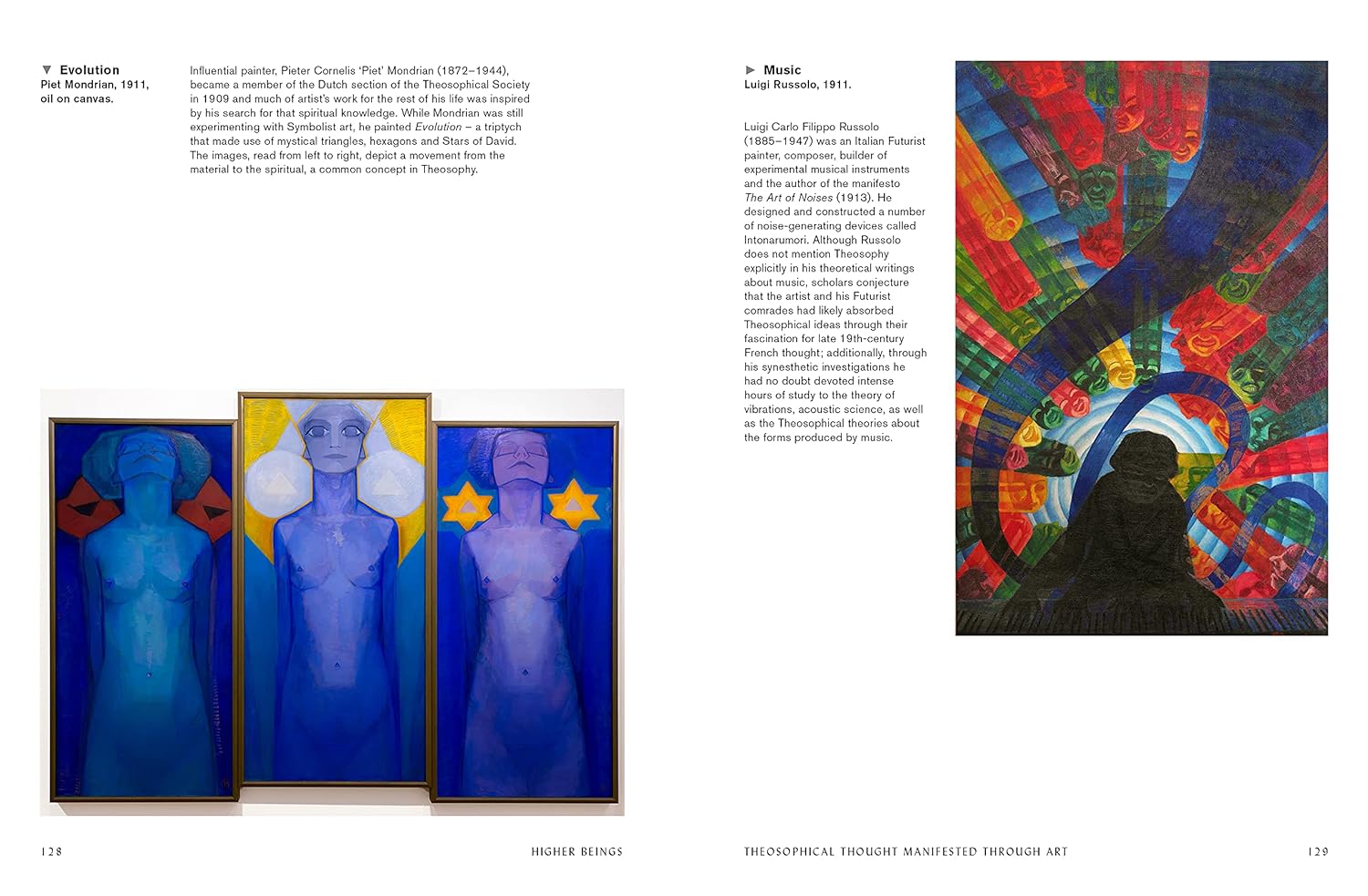
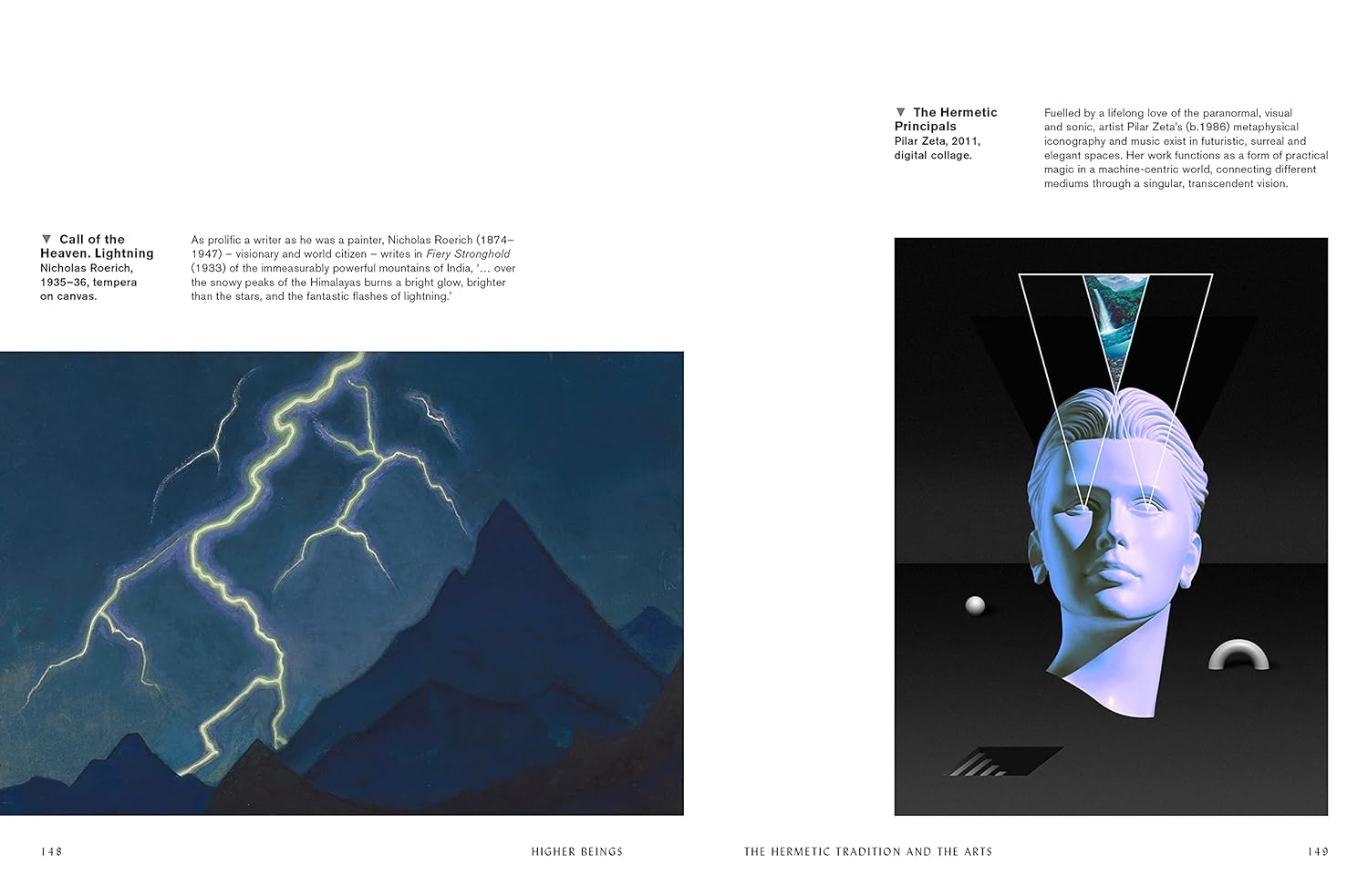
What is the essence of God and how can the greatest intimacy with the divine be achieved? Is there a spark of the divine hidden within us and by what means can we access that precious kinship? In our quest for inner self-knowledge and understanding, can we reveal these higher cosmic truths? The esoteric doctrine of the Kabbalah, the school of ideas and systems in the Hermetic tradition, and the wisdom and tenets of Theosophy all seek to address these questions. And along with them, of course, were the artists inspired by these esoteric spheres of thought, who generated visionary responses to what they saw in these mystical traditions.
As you’ll see in the following pages, artists, in collaboration with whatever deities or higher powers they may choose to call upon – even if it is just the sacred flame within their own passionate, beating heart – remain as deeply compelled by such powerful questions today as did their counterparts worlds away and in times long past.

The Wish Theodor von Holst. 1840, oil on canvas.
The London-born painter Theodor von Holst (1810–1844) is said to occupy a unique position in the history of British Romantic art, between his eccentric master Henry Fuseli (1741–1825) and his most important admirer Dante Gabriel Rossetti (1828–1882). Von Holst’s painting The Wish is a moodily and exquisite piece depicting fortune teller as femme fatale. It was the inspiration for Dante Gabriel Rossetti’s poem ‘The Card Dealer’.
ASIN : 0711248834
Publisher : Frances Lincoln
Publication date : October 13, 2020
Edition : 1st
Language : English
Print length : 240 pages
ISBN-10 : 0552173509
ISBN-13 : 978-0711248830
Item Weight : 2.31 pounds
Dimensions : 7 x 1 x 9.13 inches
Part of series : Art in the Margins
Best Sellers Rank: #65,953 in Books (See Top 100 in Books) #84 in Address Books #146 in Occultism #155 in Witchcraft Religion & Spirituality
Customer Reviews: 4.8 4.8 out of 5 stars 508 ratings var dpAcrHasRegisteredArcLinkClickAction; P.when(‘A’, ‘ready’).execute(function(A) { if (dpAcrHasRegisteredArcLinkClickAction !== true) { dpAcrHasRegisteredArcLinkClickAction = true; A.declarative( ‘acrLink-click-metrics’, ‘click’, { “allowLinkDefault”: true }, function (event) { if (window.ue) { ue.count(“acrLinkClickCount”, (ue.count(“acrLinkClickCount”) || 0) + 1); } } ); } }); P.when(‘A’, ‘cf’).execute(function(A) { A.declarative(‘acrStarsLink-click-metrics’, ‘click’, { “allowLinkDefault” : true }, function(event){ if(window.ue) { ue.count(“acrStarsLinkWithPopoverClickCount”, (ue.count(“acrStarsLinkWithPopoverClickCount”) || 0) + 1); } }); });
Customers say
Customers find the book’s writing insightful, with one noting its clear organization by occult themes. Moreover, the artwork receives praise, with one customer highlighting the great mix of contemporary and historical pieces. Additionally, customers find the book fascinating, with one describing it as a fun introduction to an interesting world. The book’s pacing is appreciated, with one customer noting its thick pages, and customers value its historical content.


![[2-Pack] Disco Ball Party Light Sound Activated with Remote, 12 Modes Stage Strobe DJ Light for Christmas Party Decorations Stocking Stuffers White Elephant Gifts White Birthday New Years Eve](https://m.media-amazon.com/images/I/71kenuyYdeL._AC_SL1500_.jpg "[2-Pack] Disco Ball Party Light Sound Activated with Remote, 12 Modes Stage Strobe DJ Light for Christmas Party Decorations Stocking Stuffers White Elephant Gifts White Birthday New Years Eve")

![[2025] MSI MEG Vision X AI 2NVZ9-045US (Intel Core Ultra 9 285K, 192GB DDR5 RAM, 16TB WD NVMe SSD, NVIDIA GeForce RTX 5090, Windows 11 Pro) Gaming Desktop PC](https://m.media-amazon.com/images/I/71i0MXY9t2L._AC_SL1500_.jpg "[2025] MSI MEG Vision X AI 2NVZ9-045US (Intel Core Ultra 9 285K, 192GB DDR5 RAM, 16TB WD NVMe SSD, NVIDIA GeForce RTX 5090, Windows 11 Pro) Gaming Desktop PC")
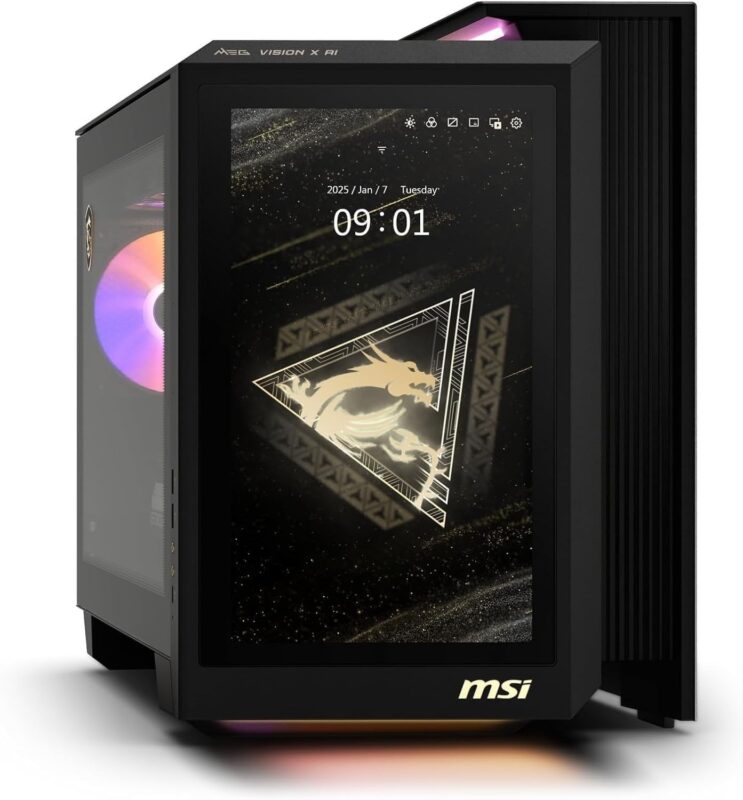
![[2025] MSI Vision Elite RS AI 2NVZ9-1288US (Intel Core Ultra 9 285K, 192GB DDR5 RAM, 16TB WD NVMe SSD, NVIDIA GeForce RTX 5090, Windows 11 Pro) Gaming Desktop PC](https://m.media-amazon.com/images/I/81mwWmo6pfL._AC_SL1500_.jpg "[2025] MSI Vision Elite RS AI 2NVZ9-1288US (Intel Core Ultra 9 285K, 192GB DDR5 RAM, 16TB WD NVMe SSD, NVIDIA GeForce RTX 5090, Windows 11 Pro) Gaming Desktop PC")
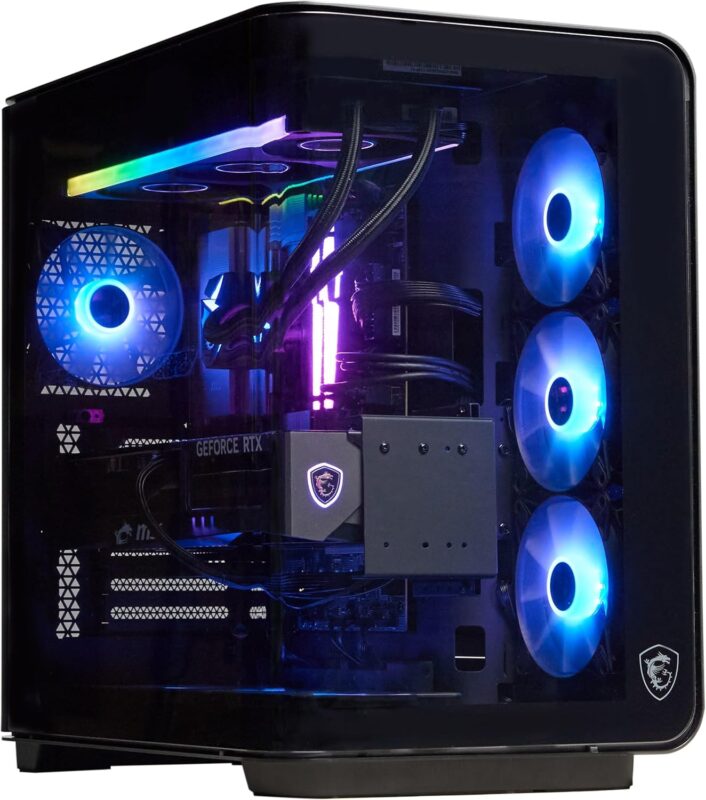
![[4 Pack]iVoler Camera Lens Protector Designed for iPhone 13 Pro Max 6.7”/13 Pro 6.1” Screen Protector Tempered Glass[Case Friendly][New version],Scratch-Resistant,Easy Installation,Clear+Black Circle](https://m.media-amazon.com/images/I/71jx47CBPJL._AC_SL1500_.jpg "[4 Pack]iVoler Camera Lens Protector Designed for iPhone 13 Pro Max 6.7”/13 Pro 6.1” Screen Protector Tempered Glass[Case Friendly][New version],Scratch-Resistant,Easy Installation,Clear+Black Circle")
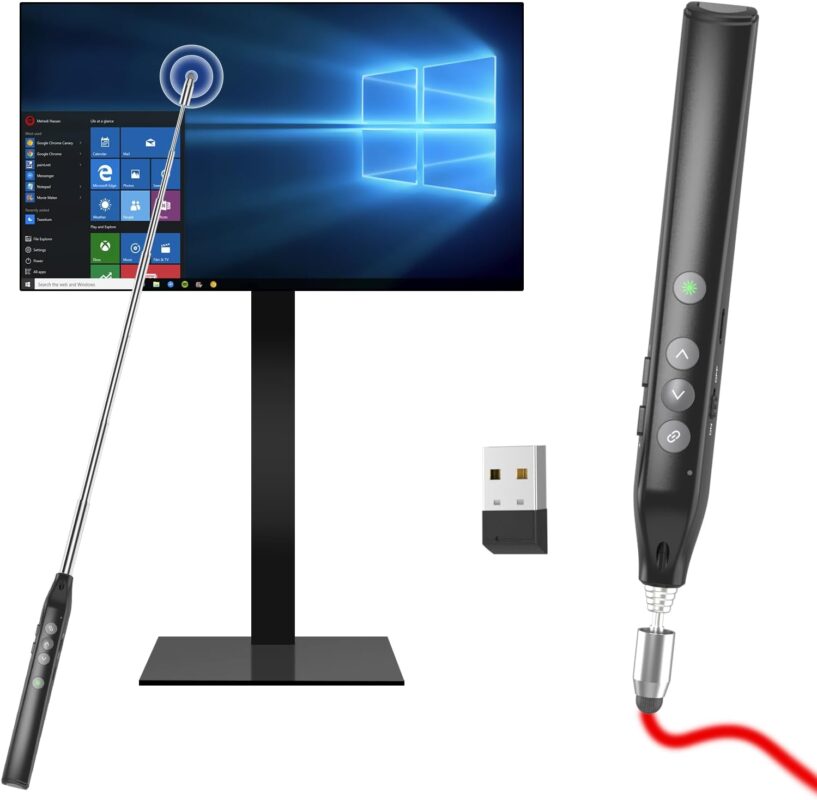
![[for Touch Screen] Presentation Clicker with Telescopic Pointer Stick Stylus Pen & Laser Pointer for Touch Screen Smart Board Promethean Board Pen Smartboard Clicker Remote Classroom/Office USB-A](https://m.media-amazon.com/images/I/61eYkFQoCpL._AC_SL1500_.jpg "[for Touch Screen] Presentation Clicker with Telescopic Pointer Stick Stylus Pen & Laser Pointer for Touch Screen Smart Board Promethean Board Pen Smartboard Clicker Remote Classroom/Office USB-A")


Reviews
There are no reviews yet.